
All About Finding Reliable Property Maintenance Services

Why Property Maintenance Determines the Success of Your Rental
Property maintenance is the ongoing process of keeping a residential or commercial building safe, functional, and in good condition — through regular cleaning, inspections, and repairs.
If you own a duplex, triplex, or small apartment building in Providence, here's what you need to know at a glance:
- What it is: Routine upkeep, safety checks, and repairs across your property
- Why it matters: It protects your asset value, keeps tenants happy, and helps you avoid costly emergency repairs
- Who handles it: Property managers, in-house technicians, janitors, and specialized contractors
- Key approach: Proactive (preventive) maintenance beats reactive fixes — every time
- Tools that help: Property management software and CMMS platforms streamline the whole process
- Legal side: Local codes like the International Property Maintenance Code (IPMC) set minimum standards you must meet
The reality for most small landlords is this: things break. A ceiling leaks. A pipe bursts at 2 AM. A tenant submits a complaint about a broken heater in January. How you respond to those moments — and whether you saw them coming — makes all the difference between a profitable rental and a money pit.
Staying on top of maintenance isn't just about fixing problems. It's about preventing them before they grow expensive, keeping good tenants in place, and protecting the long-term value of your investment.
I'm Isaac Spragg, founder of LionsGate Property Management, and I've managed my own real estate investments — which means I've dealt with every kind of property maintenance challenge a Providence-area landlord can face. In the sections below, I'll walk you through everything you need to know to handle maintenance the right way.
What is Property Maintenance and Why Does It Matter?
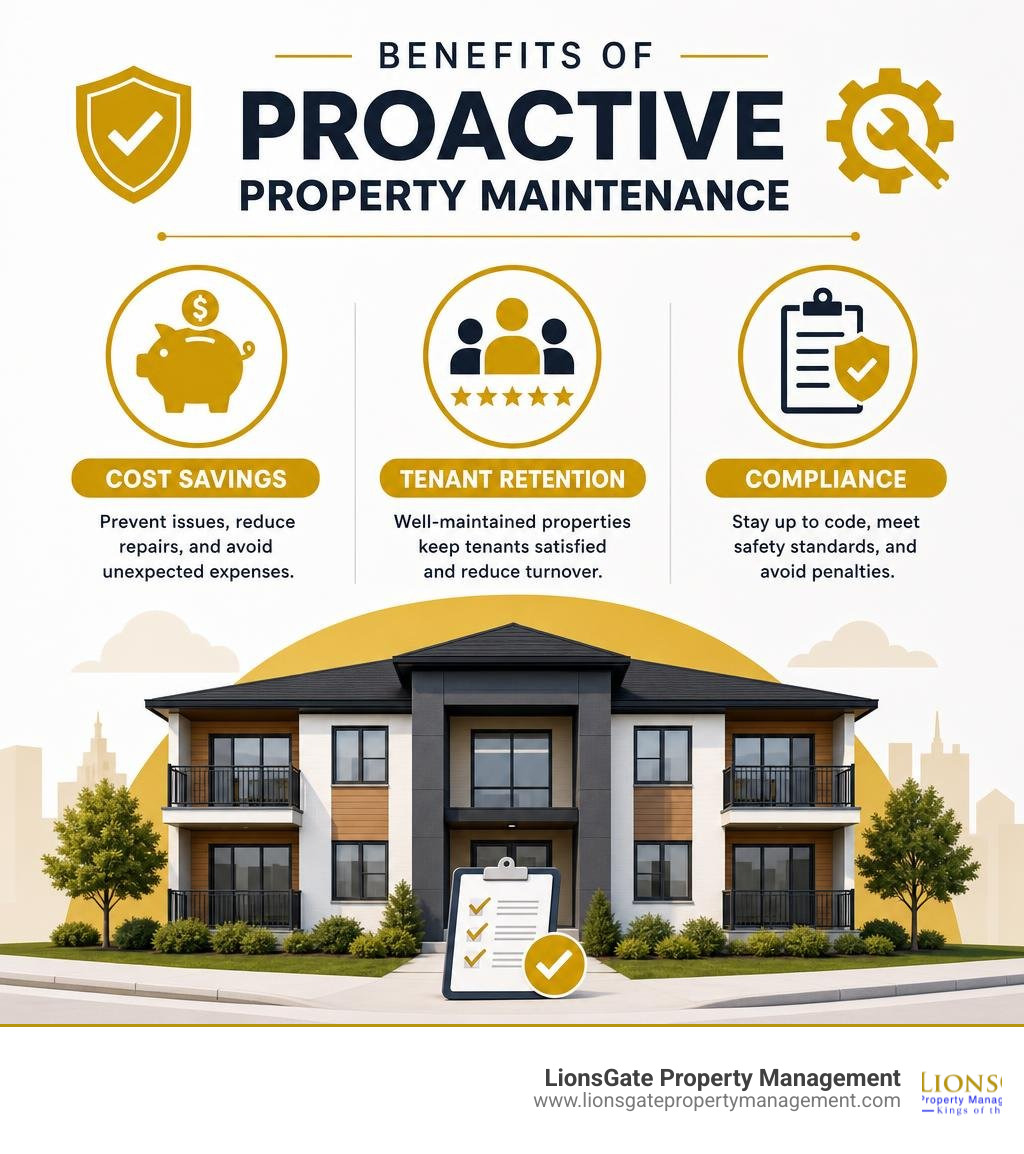
At its core, property maintenance is the physical heartbeat of your real estate investment. It represents the daily, weekly, and seasonal labor required to keep your buildings safe, clean, and fully operational. While many owners look at maintenance as a pure expense, experienced investors know it is actually a primary driver of profitability.
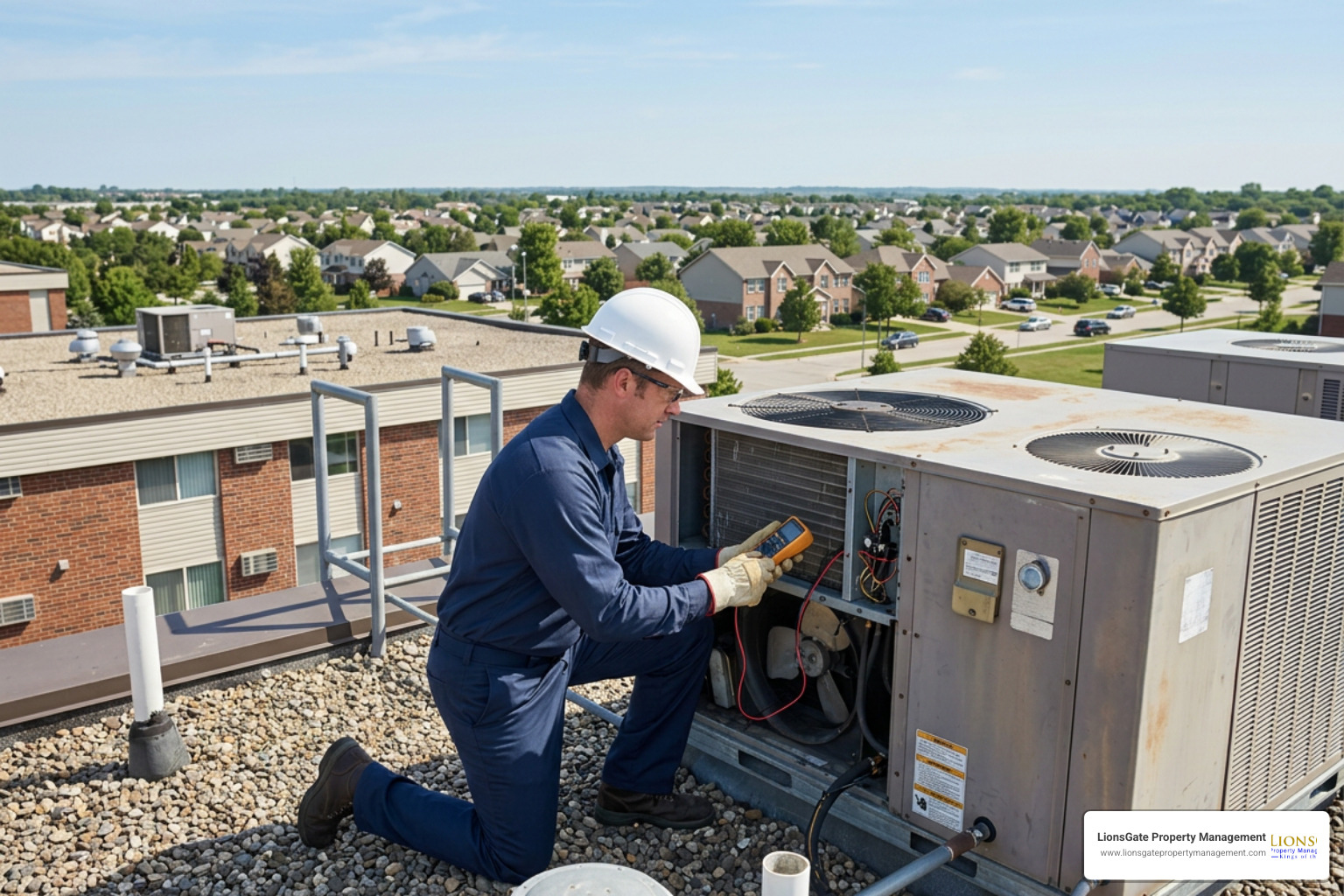
When you prioritize upkeep, you directly influence two of the most critical metrics in rental housing: property value and tenant retention.
- Preserving Asset Value: Buildings degrade over time. Wood rots, foundations settle, and mechanical systems wear out. By executing a continuous upkeep strategy, you stop minor structural issues from turning into catastrophic failures. To understand the compounding value of this approach, read about Why Proactive Maintenance is the Secret to Property Longevity.
- Boosting Tenant Satisfaction: No one wants to live in a drafty, poorly insulated apartment with a temperamental boiler. Responsive, high-quality repairs build trust with your residents. When tenants see that we care about the property, they treat the building with more respect, renew their leases, and are far more willing to accept market-rate rent increases.
- Drastic Cost Reductions: Emergency repairs are incredibly expensive. Calling a plumber on a holiday weekend because a ignored pipe finally burst will cost triple the rate of a scheduled pipe replacement. Discover more on how this dynamic plays out locally in our guide on How Proactive Maintenance Safeguards Your Rental Property Investments in Providence and Beyond.
Core Types of Property Maintenance
To manage your portfolio effectively, you must understand that not all maintenance work is created equal. We divide physical upkeep into three distinct operational categories:
- Preventive Maintenance: This is your shield. It involves pre-scheduled, routine tasks performed to prevent equipment failures and structural damage. Examples include replacing HVAC filters every three months, cleaning gutters before the autumn leaves freeze, and inspecting roofs for loose shingles.
- Corrective Maintenance: This is the middle ground. It is the process of identifying, isolating, and fixing an issue before it causes a complete system failure or a tenant emergency. For instance, if a technician notices a small water spot on a drywall ceiling during a routine walkthrough and replaces the worn wax ring on the toilet above, they have executed corrective maintenance.
- Reactive Maintenance: This is the fire drill. Also known as breakdown maintenance, this occurs when something has already failed and requires immediate attention. Think of a heating system going dark during a freezing January night in Cranston, or a sewer main backing up into a first-floor bathtub.
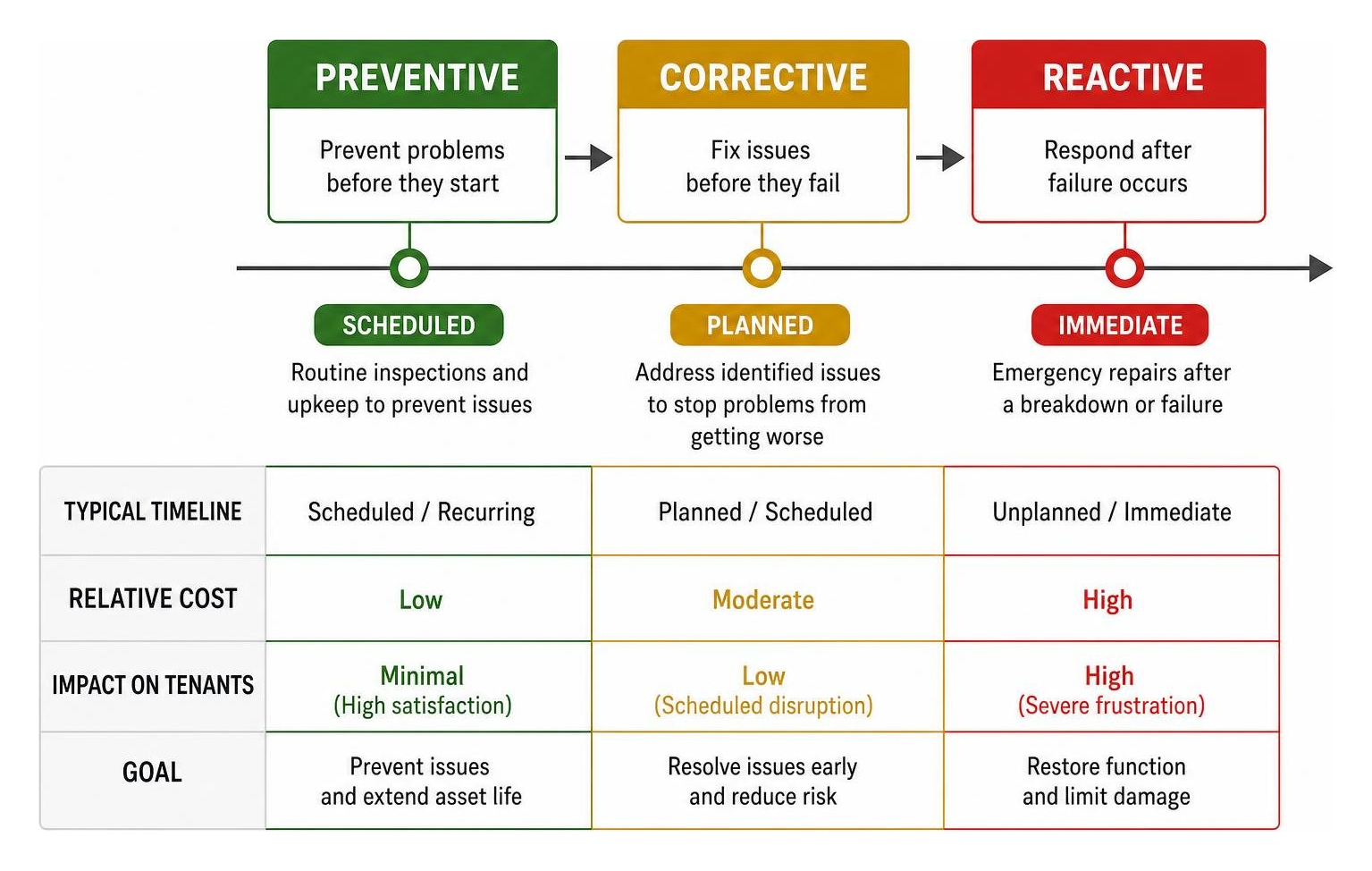
| Maintenance Type | Typical Timeline | Relative Cost | Impact on Tenants |
|---|---|---|---|
| Preventive | Scheduled / Recurring | Low | Minimal (High satisfaction) |
| Corrective | Planned / Scheduled | Moderate | Low (Scheduled disruption) |
| Reactive | Unplanned / Immediate | High | High (Severe frustration) |
In a healthy rental operation, we aim for a 70/30 split: 70% of all maintenance should be planned and preventive, leaving only 30% for unexpected, reactive emergencies.
Key Roles in Property Upkeep
Executing a seamless maintenance program requires a coordinated effort from several different professionals. Depending on the size of your portfolio in East Providence or Pawtucket, your team may include:
- The Property Manager: The air traffic controller. They coordinate the entire system, manage the budgets, handle tenant requests, and oversee compliance. To see how a manager protects your bottom line, read Everything Your Property Manager Should Be Doing for You. If you need help coordinating these roles, we recommend consulting a professional team like LionsGate Property Management to handle your needs in Providence and Cranston.
- The Maintenance Technician: The multi-skilled hands-on specialist. Technicians handle the day-to-day work orders, perform seasonal turnover tasks, and conduct structural inspections. They are generally skilled in basic plumbing, electrical, carpentry, and drywall repair.
- The Janitor / Custodian: The daily protector of curb appeal. They handle common area cleaning, light bulb replacements, trash management, and basic exterior upkeep.
- Specialized Contractors: The heavy cavalry. For complex, high-risk systems like elevators, structural masonry, main sewer lines, and extensive HVAC overhauls, we rely on licensed, insured external contractors. A great internal technician doesn't try to fix a commercial boiler themselves; instead, they act as the coordinator who documents the system's history so the specialized contractor can execute the repair quickly and accurately.
Common Residential and Commercial Maintenance Tasks
Keeping multi-unit buildings in Rhode Island running smoothly requires a seasonal and system-based checklist. Residential properties demand high-touch interior care, while commercial or mixed-use properties require rigorous safety and exterior management.

For most landlords in Warwick or North Providence, the core maintenance battleground involves the following areas:
- HVAC Servicing: Heating and cooling systems are often a property's most expensive assets. Regular filter replacements, coil cleanings, and professional pre-winter boiler tune-ups are non-negotiable.
- Plumbing and Water Management: Slow leaks can quietly destroy floorboards and breed mold behind drywall. We regularly inspect under-sink plumbing, check toilet flappers, and clear main drain lines.
- Electrical Safety: Ensuring that GFCI outlets are functioning in kitchens and bathrooms, checking breaker panels, and replacing flickering common area lighting.
- Exterior and Curb Appeal: Landscaping, gutter cleaning, and exterior paint touch-ups. When it comes to lawn care and landscaping, establishing clear boundaries on who handles what is vital. Check out our comprehensive Who Mows the Lawn? Guide to Rental Property Yard Care to avoid tenant disputes.
- Snow and Ice Management: In Rhode Island, winter is a major liability risk. Slippery walkways lead to slip-and-fall lawsuits, and heavy snow can damage roofs. Landlords must have a robust plan in place. For boards and multi-unit owners, we outline strategies in Snow Removal Services for Condo and Apartment Boards. If you are budgeting for the winter, read our guides on Snow Removal Cost: Everything You Need to Know and The Cold Hard Truth About Snow Removal Service Prices.
- Snow Clearance Logistics: To find local help, refer to Snow Removal Services Near You or Don't Get Snowed In: Your Go-To Guide for Local Snow Clearance. For pricing details, consult The Ultimate Guide to Average Driveway Snow Plowing Rates and evaluate whether a seasonal contract is right for you in Guaranteed Snow Removal Cost: Is a Fixed-Rate Seasonal Contract Worth It?. If you are looking out for elderly family members, we also have advice on How To Find Reliable Snow Removal for Seniors.
Building an Efficient Property Maintenance Program
To transition your portfolio from a chaotic "break-and-fix" model to an efficient, stress-free system, you need to build a structured program. The secret lies in standardization and digital organization.
First, standardize your workflows. Create clear Standard Operating Procedures (SOPs) for routine tasks. For example, when a tenant moves out, your turnover crew should follow a strict, multi-point checklist that covers everything from testing window locks to deep cleaning appliances.
Second, leverage technology. Gone are the days of paper work orders and messy spreadsheets. Utilizing a Computerized Maintenance Management System (CMMS) or modern property management software allows you to centralize your operations. Tenants can submit maintenance requests online, complete with photos of the issue. The system then automatically assigns the task to the right technician, tracks the time spent, and logs the cost of materials used.
By tracking these metrics monthly — such as average response time, preventive maintenance completion rate, and overall maintenance cost per square foot — you can continually optimize your operations.
For a deeper dive into establishing these workflows, read Why Your Providence Rental Needs a Maintenance Plan Yesterday. To learn how to identify issues early, review How to Spot Hidden Maintenance Issues in Multi-Unit Properties. If you are onboarding a new multi-family asset, see How Smart Owners Streamline Multi-Unit Onboarding in Providence.
Handling Emergencies and Legal Compliance
No matter how robust your preventive maintenance plan is, emergencies will happen. When a pipe bursts at 2:00 AM, how you respond determines whether you suffer a minor repair cost or a massive insurance claim.
A professional emergency response plan requires:
- A Dedicated 24/7/365 Hotline: Tenants must have a clear, immediate way to reach a live person during after-hours emergencies. Online forms are not acceptable for active water leaks or gas smells.
- Clear Emergency Definitions: Educate your tenants on what constitutes a true emergency (e.g., active flooding, no heat in sub-freezing temperatures, a broken main door lock) versus a routine request (e.g., a dripping faucet, a squeaky cabinet door).
- Pre-vetted On-Call Vendors: Have a trusted plumber, electrician, and HVAC technician on speed dial who have agreed to emergency response rates and timelines.
For landlords operating in Cranston, having a local safety net is vital. Learn how to handle these urgent situations in The Landlord's Lifeline for Emergency Maintenance in Cranston.
Beyond emergency response, landlords have strict legal obligations. In Rhode Island, municipal code enforcement officers enforce strict standards to ensure buildings are safe and habitable. Most Rhode Island cities adopt the International Property Maintenance Code (IPMC) alongside local building ordinances. These codes govern everything from plumbing integrity and electrical safety to exterior paint conditions and structural soundness. Failing to meet these standards can result in hefty fines, court appearances, or even having your property declared uninhabitable.
For commercial properties or larger multi-family buildings, you may also need specialized commercial cleaning and safety services to maintain compliance. Working with a professional property management team can help you coordinate these specialized services and ensure your building stays fully compliant.
Certifications and Training for Professionals
To ensure your maintenance team is operating safely and legally, encourage or require professional certifications.
The gold standard for residential upkeep is the Certificate for Apartment Maintenance Technicians (CAMT). Accredited by the American National Standards Institute (ANSI), this program trains technicians in mechanical services, plumbing repairs, HVAC diagnostics, electrical systems, and complex appliance repairs.
Additionally, ensuring that your team undergoes OSHA safety training, lead-safe renovator training (critical for older Rhode Island homes built before 1978), and regular electrical safety courses protects your workers, your tenants, and your business from liability.
Frequently Asked Questions about Property Upkeep
What is the difference between property management and property maintenance?
While they are closely related, they handle different sides of your real estate business. Property management focuses on the business, financial, and relational aspects of your investment — including tenant screening, lease enforcement, rent collection, budgeting, and legal compliance. Property maintenance, on the other hand, is the physical execution of upkeep, repairs, cleaning, and landscaping. Think of property management as the brain of the operation, and property maintenance as the hands. For more answers to common operational questions, visit our Property Management FAQs.
How does preventive maintenance reduce overall repair costs?
Preventive maintenance stops the compounding effect of damage. A $15 HVAC filter replacement prevents a $5,000 compressor failure. Cleaning a $150 gutter run prevents a $10,000 roof leak and foundation erosion. By identifying and resolving wear-and-tear items early, you extend the lifespan of your mechanical systems, reduce emergency after-hours labor rates, and keep minor issues from escalating into major capital expenses.
What is considered a true maintenance emergency?
A true maintenance emergency is any event that poses an immediate threat to human life, safety, or the physical integrity of the property. This includes:
- Active, uncontainable water flooding
- The smell of natural gas (tenants should exit and call 911/National Grid first)
- A total loss of heat when outdoor temperatures are below freezing
- A complete power outage affecting the entire unit
- A fire or structural collapse
- A broken exterior door lock or window that compromises unit security
Conclusion
Managing a successful rental portfolio in Rhode Island doesn't have to be a source of constant stress. By understanding the core principles of property maintenance, building a proactive preventive program, and establishing reliable emergency protocols, you can protect your assets and keep your tenants happy.
If you want to read more about professional upkeep, check out The Landlord's Guide to Proactive Maintenance and Management in RI and The Landlord's Guide to Proactive Rental Maintenance in RI. And if you are simply tired of dealing with late-night phone calls, coordinating contractors, and chasing down repair quotes, read The Best Property Maintenance Services for Landlords Who Hate Stress.
At LionsGate Property Management, we provide full-service rental property management for duplexes, triplexes, and small-to-mid-size apartment buildings across Providence, Cranston, Warwick, Pawtucket, and North Providence. With our unique guarantees — including guaranteed rent, proactive maintenance, professional snow removal, and no-cost evictions — we deliver a truly stress-free ownership experience.
Ready to take your weekends back? Contact us today to learn more about our LionsGate Property Management Services and let us handle the hard work for you.