
Why Proactive Maintenance is the Secret to Property Longevity

Proactive vs. Reactive: Why Every Proactive Maintenance Property Manager Wins
In property management, you are either the master of your schedule or a slave to your phone. Reactive maintenance is the "fix it when it breaks" philosophy. It feels cheaper in the moment because you aren't spending money today, but it is a financial trap. When a boiler fails in the middle of a Rhode Island January, you aren't just paying for a repair; you’re paying emergency labor rates, potential hotel costs for displaced tenants, and the high price of whatever parts are available for immediate delivery.
A proactive maintenance property manager views maintenance as a financial strategy rather than an expense. By shifting to a scheduled model, we can extend the lifespan of building equipment—sometimes by up to 10 times longer. This is known as capital preservation. Instead of replacing an entire HVAC system every 10 years, regular servicing can push that out to 20 years or more.
| Feature | Reactive Maintenance | Proactive Maintenance |
|---|---|---|
| Cost | 3–5x higher due to emergencies | Budgeted and predictable |
| Equipment Life | Shortened by neglect | Maximized (up to 10x longer) |
| Tenant Impact | High stress, sudden disruptions | Minimal, scheduled visits |
| Risk | High (mold, structural damage) | Low (issues caught early) |
| Vendor Rates | Premium/Emergency pricing | Standard/Negotiated rates |
By following Proactive Maintenance: How To Prevent Costly Repairs, landlords can mitigate the risk of catastrophic failures. In our local market, this is especially true. We’ve discussed How Proactive Maintenance Safeguards Your Rental Property Investments in Providence and Beyond because our coastal climate and aging housing stock (those beautiful but high-maintenance triple-deckers!) require a vigilant eye to prevent moisture from turning into a structural nightmare.
How to Build a Comprehensive Preventive Maintenance Schedule
Creating a schedule isn't just about making a "to-do" list; it’s about building a system that runs on autopilot. If you have to remember to check the gutters, you’ve already lost. An effective proactive maintenance property manager uses a digital-first approach to ensure nothing falls through the cracks.

The first step is a full audit of your systems. You need to know the age and condition of every roof, water heater, and furnace in your portfolio. Once you have the data, you can follow the steps in How to Create a Preventive Maintenance Schedule | Buildium to rank priorities. High-risk items—like a 12-year-old water heater in a third-floor unit—should be at the top of your list for frequent checks or scheduled replacement.
We also focus on How to Spot Hidden Maintenance Issues in Multi-Unit Properties. In multi-unit buildings, a leak in Unit A is often discovered by the tenant in Unit B. Proactive inspections allow us to find that slow drip under the sink before the ceiling below starts to sag.
Essential Tasks for a Proactive Maintenance Property Manager
To keep your Providence property in peak condition, your Property Management Preventive Maintenance Checklist | Buildium should include these non-negotiables:
- HVAC Filters: Changing filters every 90 days (or more often in buildings with pets) reduces system strain. Automated filter delivery programs can reduce HVAC-related maintenance requests by up to 38%.
- Plumbing Leaks: Check under every sink and around every toilet quarterly. A $5 washer can prevent a $5,000 floor replacement.
- Roof and Gutters: In Rhode Island, leaves and ice dams are property killers. Clearing gutters in the fall and inspecting roof tiles prevents water from backing up under the shingles.
- Electrical Wiring: Especially in older Pawtucket or Cranston homes, checking for frayed wires or overloaded circuits prevents fires.
- Appliance Servicing: Vacuuming refrigerator coils and cleaning dryer vents keeps appliances running efficiently and prevents lint-related fires.
- Pest Control: Regular perimeter treatments are much cheaper than dealing with a full-blown infestation of rodents or cockroaches.
Seasonal and Frequency-Based Inspections
In New England, the calendar dictates our maintenance priorities. A proactive maintenance property manager breaks tasks down by frequency to keep the workload manageable:
- Monthly: Test smoke and carbon monoxide detectors. Check common area lighting.
- Quarterly: Change HVAC filters and perform a visual "walk-through" of every unit.
- Semi-Annual: Deep-clean drains and service the heating/cooling systems before the peak of winter and summer.
- Annual: Inspect the building envelope (siding, foundation, and roof).
Crucially for local landlords, you must stay on top of Understanding Lead Paint Inspection Requirements for Providence Landlords. Safety compliance isn't just a legal hurdle; it’s a core part of protecting your tenants and your liability.
Leveraging Technology and Vendor Networks for Efficiency
The "secret sauce" of a modern proactive maintenance property manager is technology. We are moving toward an era of predictive maintenance.
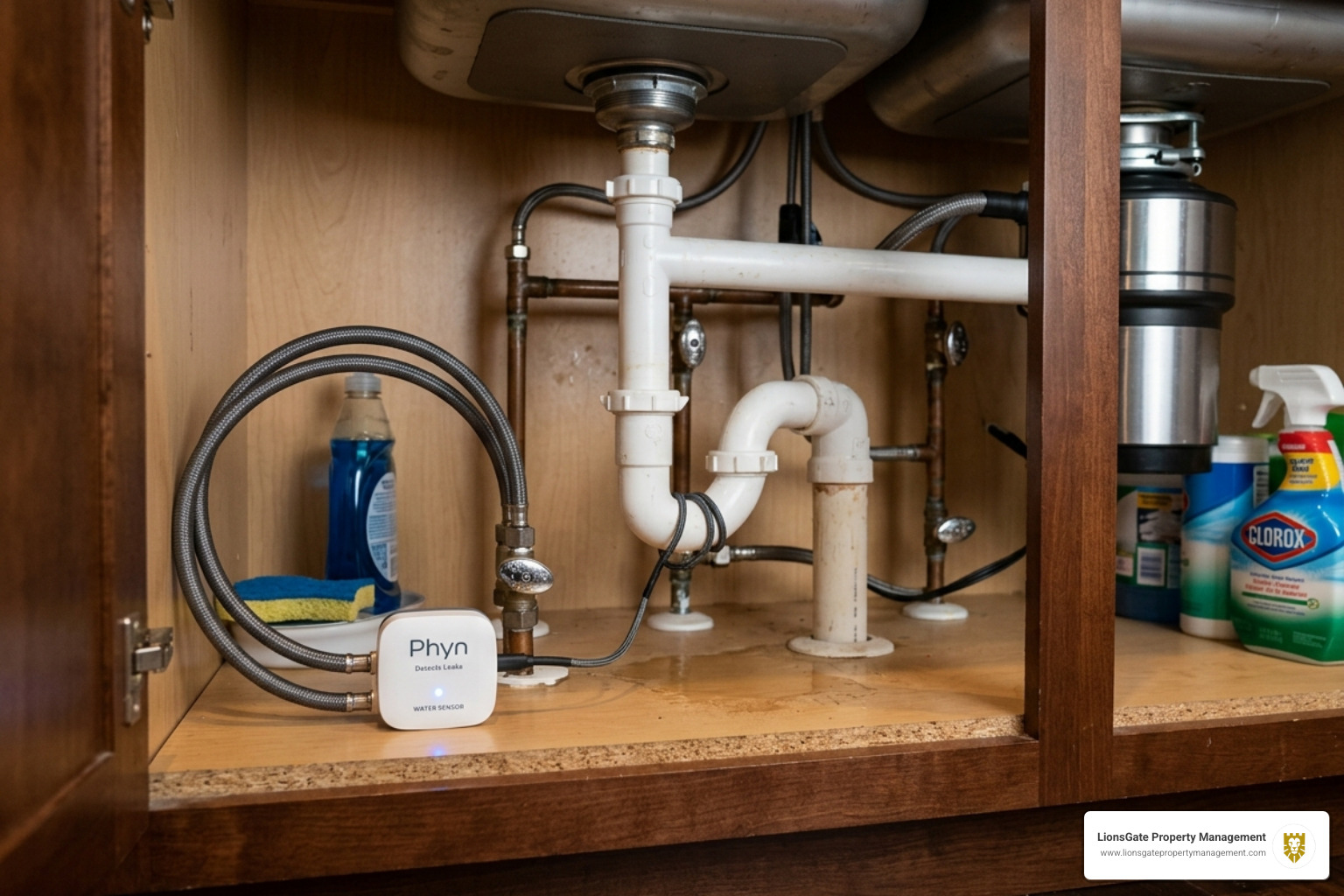
By using IoT (Internet of Things) sensors, we can receive an alert on our phones the second moisture is detected under a dishwasher or if a boiler’s temperature fluctuates outside of normal parameters. This allows us to fix the problem before the tenant even knows there is one.
According to Proactive Maintenance Strategies for Property Managers -, integrating CMMS (Computerized Maintenance Management System) software allows us to track every repair, photo, and invoice in one place. This creates a "digital twin" of your property's health.
But tech is only half the battle. You need the "boots on the ground." Building a network of vetted vendors is essential. Because we manage a high volume of units in the Providence area, we provide our vendors with consistent work. In exchange, they give our clients priority response times and better rates. When you use our Residential & Commercial Property Management Services, you aren't just hiring a manager; you’re hiring our entire rolodex of trusted plumbers, electricians, and roofers.
The Role of a Proactive Maintenance Property Manager in Tenant Relations
Maintenance is the #1 reason tenants choose to stay or leave. A property that is falling apart tells a tenant that the owner doesn't care. Conversely, a well-maintained property justifies higher rents and encourages long-term residency.
We use our Property Management FAQs to educate tenants on their roles, such as keeping drains clear and reporting small leaks immediately. When tenants see us performing regular inspections and upgrades—like installing smart thermostats to help them save on energy bills—they feel valued. This is Why Hiring Reliable Property Managers in Providence Pays Off; we reduce turnover, which is the single biggest "silent killer" of rental profits.
Frequently Asked Questions about Proactive Maintenance
How much should I budget for proactive maintenance annually?
A tried-and-true industry standard is the 1-2% rule. You should set aside 1% to 2% of the property’s total value every year for maintenance and reserves. For a $500,000 triplex in East Providence, that means budgeting $5,000 to $10,000 annually. While that may seem like a lot, every dollar spent on prevention typically saves $3 to $4 in avoided emergency repairs.
Can proactive maintenance really extend equipment life by 10 times?
Yes, particularly for mechanical systems like HVAC units and water heaters. A neglected water heater might fail in 8 years due to sediment buildup and corrosion. A flushed and serviced unit can easily last 15 to 20 years. When you multiply that across an entire apartment complex, the ROI is staggering.
What are the most common mistakes to avoid in maintenance planning?
The biggest mistake is skipping inspections when things seem fine. "If it ain't broke, don't fix it" is a recipe for disaster in real estate. Other common errors include poor documentation (not knowing when a roof was last replaced) and ignoring "minor" tenant reports. That "small" stain on the ceiling the tenant mentioned in passing is often the precursor to a total roof failure.
Conclusion
Proactive maintenance is not a luxury; it is the foundation of a successful real estate investment. By shifting your mindset from "repairman" to "asset manager," you protect your property’s longevity, ensure your tenants' safety, and maximize your cash flow.
At LionsGate Property Management, we specialize in taking the weight of maintenance off your shoulders. From our 24/7 emergency response to our seasonal snow removal and rigorous inspection schedules, we treat your property as if it were our own.
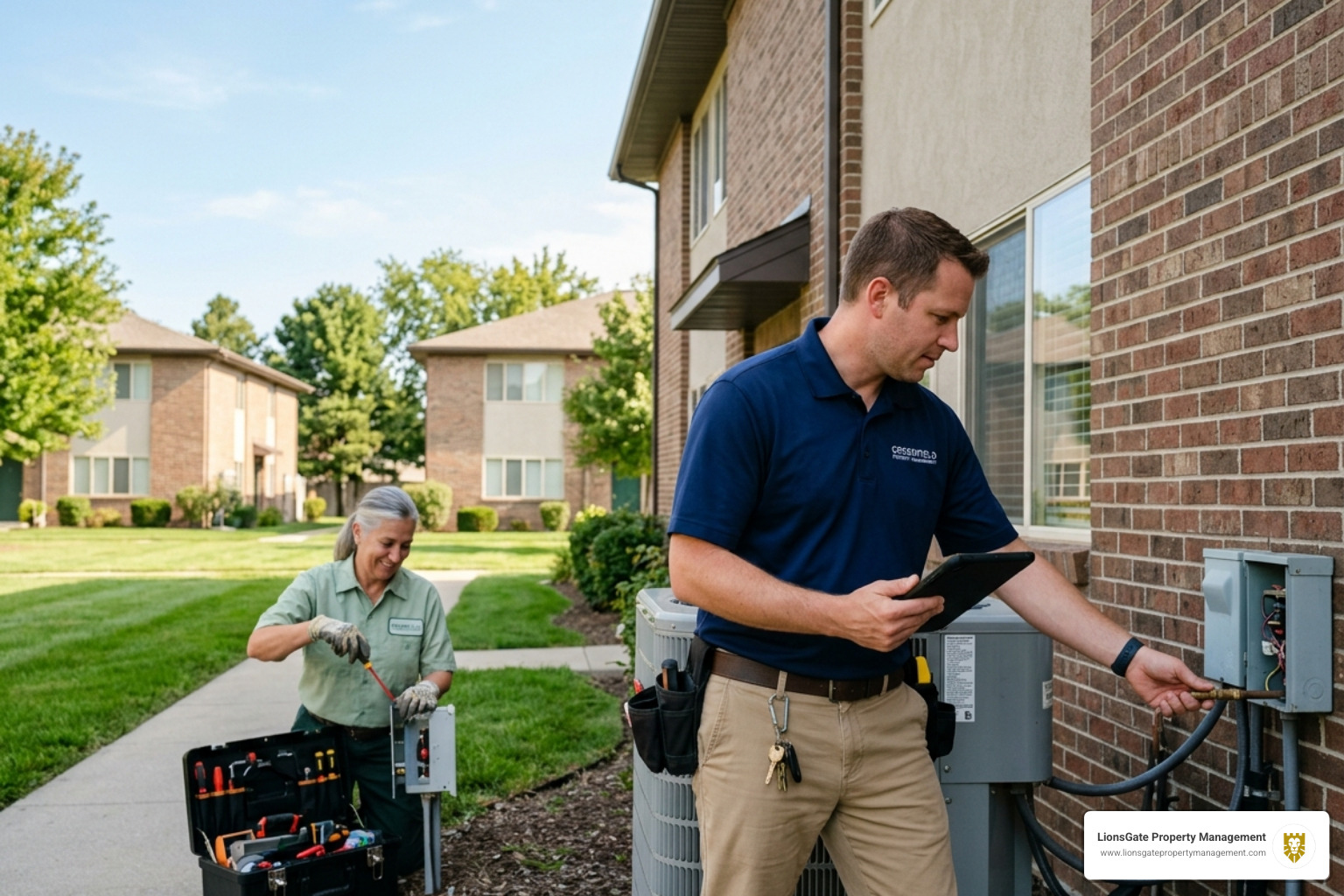
If you’re ready to stop the 2 AM phone calls and start seeing the true potential of your investment, it’s time to work with a proactive maintenance property manager.
Check out our Top 5 Reasons to Hire a Professional, Reliable Property Manager to see how we can help, or Secure your investment with our Guaranteed Rent Program today. Let’s make 2026 the year your property finally starts working as hard as you do.