
What to Do If Tenants Don't Pay Rent and Won't Leave

What Happens If Tenants Don't Pay Rent (And What You Should Do)
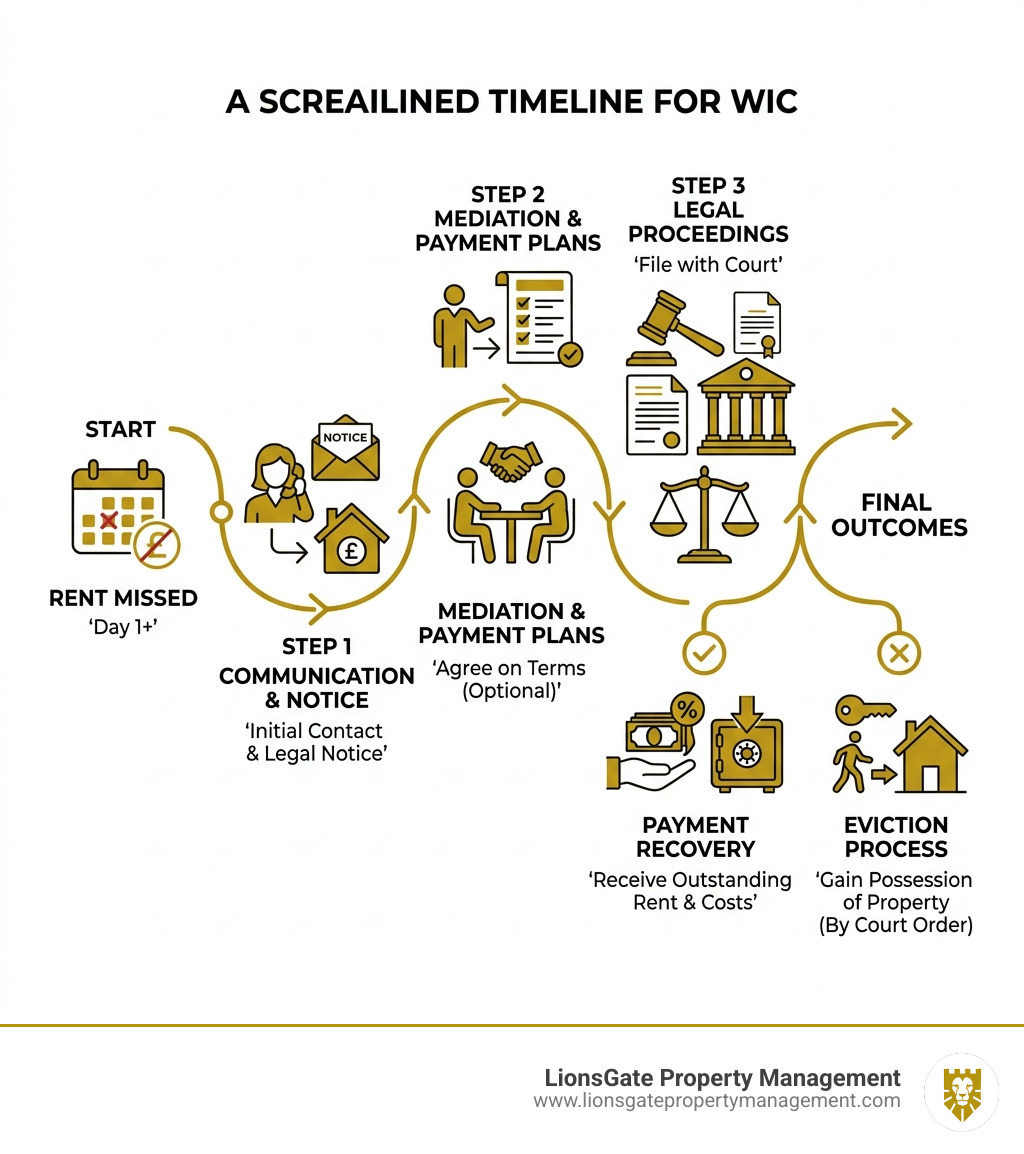
If tenants don't pay rent, here is exactly what to do — in order:
- Check your lease for the grace period and due date
- Contact the tenant with a friendly written reminder
- Send a formal late rent notice with the amount owed and a deadline
- Issue a Notice to Pay or Quit once the grace period expires
- File for eviction in court if the tenant doesn't pay or leave
- Attend the hearing and request a writ of possession if you win
- Recover unpaid rent via security deposit, small claims court, or wage garnishment
Missing rent payments are one of the biggest financial threats a small landlord faces. One missed month can put real pressure on your mortgage, your maintenance budget, and your peace of mind. And when a tenant won't pay and won't leave, the stress compounds fast.
The situation is more common than most landlords expect. According to Harvard's Joint Center for Housing Studies, missed rent payments rank among the top concerns for landlords nationwide. Yet many property owners — especially those managing duplexes or small multifamily units on their own — aren't sure of the right steps to take without risking a costly legal mistake.
The good news: there is a clear, legal path forward. And following it carefully protects both your income and your rights.
I'm Isaac Spragg, founder of LionsGate Property Management, and I've navigated if tenants don't pay rent situations — both as a property owner and as a full-service property manager serving Providence, Cranston, Warwick, and Pawtucket. In this guide, I'll walk you through every step, from the first missed payment to full recovery.
What to Do if tenants don t pay rent: Immediate Action Plan
When the first of the month rolls around and the rent hasn't hit your account, it’s easy to let your mind race toward the worst-case scenario. However, the first 24 to 48 hours require a calm, methodical approach. Before you pick up the phone, you need to know exactly where you stand legally.
Start by conducting a thorough lease review. Your lease is the "constitution" of your rental relationship. You need to confirm the exact due date and, more importantly, the grace period. While most rent is due on the 1st, many Rhode Island leases include a grace period of 2 to 5 days before a late fee can be applied. According to Handling Late Rent: A Landlord's Guide to Late Payments, consistently enforcing these dates is vital to avoid setting a precedent of leniency that could be used against you later in court.
Documentation is your best friend. From the very first moment rent is late, keep a detailed log. Note the date, the amount owed, and every attempt you make to contact the tenant. If you have questions about specific local ordinances in Cranston or Warwick, our Property Management FAQs can help clarify common landlord-tenant hurdles.
Initial Communication Strategies if tenants don t pay rent
We always recommend starting with a "soft" approach. A friendly reminder can often resolve the issue without bruising the relationship. In May 2026, many tenants are juggling gig work or irregular freelance schedules. A simple text alert or email might be all they need to realize a transfer didn't go through.
When you reach out, be professional but firm. You might say: "Hi [Tenant Name], we noticed that rent for [Address] hasn't been received yet. Could you please check on the status of that payment? Thanks!"
This approach serves two purposes:
- It allows for an honest mistake (like a forgotten check or a banking glitch).
- It creates an immutable paper trail showing that you made a "good-faith effort" to resolve the issue before escalating to legal action.
Verifying Payment Delays and Bank Processing
Sometimes, the tenant actually did pay, but the money is stuck in the digital plumbing. ACH delays, holiday processing times, and mail delivery hiccups are common. If the 1st falls on a Sunday or a bank holiday, the payment might not show up until the 3rd or 4th.
As noted in the Tenant Not Paying Rent: Complete Landlord Guide, you should double-check your payment processor and bank records before sending a formal notice. If a tenant claims they sent the money, ask for a transaction receipt or a screenshot of the confirmation. This keeps the conversation focused on facts rather than excuses.
Issuing a Notice to Pay or Quit and the Eviction Process
If the grace period has passed and your "friendly reminders" have been ignored, it’s time to get formal. This is where many landlords feel uncomfortable, but remember: you are running a business.
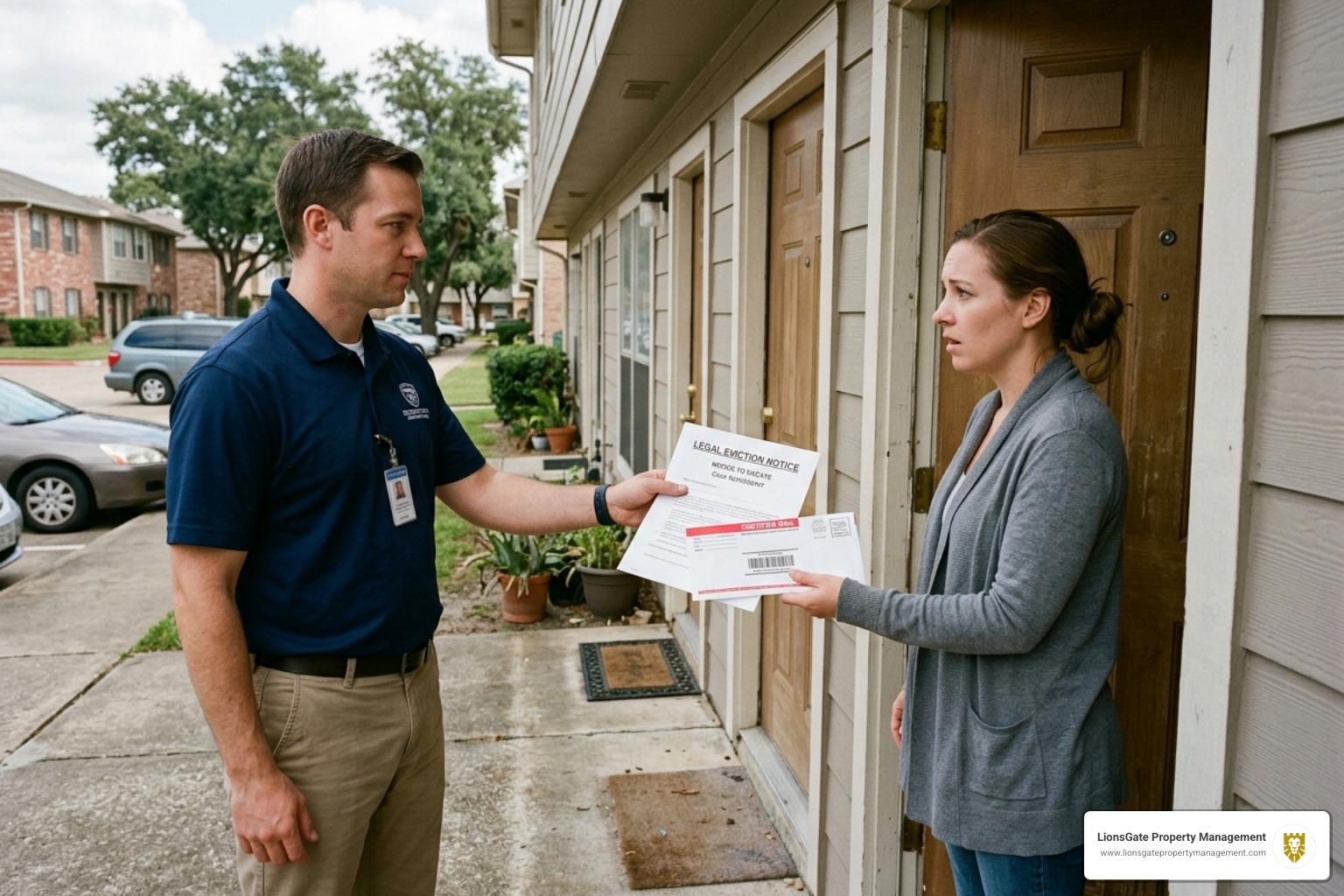
In Rhode Island, the law is very specific about how you must proceed. Under RI Gen. Laws § 34-18-35, if rent is more than 15 days late, you can send a formal "5-Day Notice." This notice informs the tenant that they have five days to pay the full amount or their lease will be terminated.
It is crucial to send this via certified mail, return receipt requested. While you can also hand-deliver a copy, the certified mail receipt is your "golden ticket" in court to prove the tenant received the notice.
| State | Notice Period for Non-Payment |
|---|---|
| Rhode Island | 5 Days (after 15 days late) |
| Texas | 3 Days |
| Florida | 3 Days |
| Illinois | 5 Days |
Filing an Eviction Suit if tenants don t pay rent
If the five days pass and the tenant still hasn't paid or moved out, your next step is filing an "unlawful detainer" or eviction suit in the local District Court. Whether your property is in Pawtucket or North Providence, you must follow the court’s procedural steps to the letter.
For those in Pawtucket, there are specific local resources available. We provide Pawtucket No-Cost Evictions and Legal Resources to help our clients navigate this often-expensive process. Filing a suit involves paying a fee and having a summons served to the tenant by a constable or sheriff. For a deeper dive into these rules, A Guide to Rhode Island Eviction Notices and Laws - Nolo offers excellent state-specific insights.
The Court Hearing and Writ of Possession
Once you file, a hearing is typically scheduled within 10 to 21 days. This is your day in court. You must bring your "evidence folder," which should include:
- A copy of the signed lease.
- Records of all payments and the current ledger.
- A copy of the 5-day notice and the certified mail receipt.
- A log of all communications.
If the tenant fails to show up, you will likely receive a "default judgment." If they do show up, the judge will hear both sides. If you win, the court will issue a judgment for possession and, often, a money judgment for the back rent.
However, you cannot just drag the tenant out yourself. You must wait for the "Execution" or "Writ of Possession" to be issued (usually 6 days after the judgment). This document gives the sheriff the authority to physically remove the tenant and their belongings. For more on this, visit the Landlord/Tenant Evictions - District Court page.
Resolving Non-Payment: Legal Alternatives vs. Illegal Actions
Eviction is expensive, slow, and stressful. Sometimes, a more creative solution can save you thousands of dollars and months of headaches.

One popular alternative is "Cash for Keys." It sounds counterintuitive to pay a tenant who owes you money, but think of it as a business settlement. If an eviction will cost you $3,000 in legal fees and lost rent over three months, offering the tenant $500 to move out by Saturday might be the smarter financial move. As discussed in Tenant Not Paying Rent? Here's What to Do. (Landlord Guide), this should always be accompanied by a written agreement where the tenant waives their rights and hands over the keys in exchange for the payment.
Another proactive way to avoid this entirely is through a guaranteed income model. At LionsGate, we help owners learn How to Secure Your Income with Guaranteed Property Management so that the risk of non-payment doesn't fall solely on your shoulders.
Recovering Unpaid Rent After Eviction
Winning the eviction gets you the property back, but it doesn't automatically put the missing cash in your pocket. To recover funds, you have several options:
- Security Deposits: In Rhode Island, you can legally deduct unpaid rent from the security deposit.
- Small Claims Court: If the debt exceeds the deposit, you can file a separate suit in small claims court (up to $5,000 in RI).
- Wage Garnishment: If you have a money judgment, you can potentially garnish the tenant's wages, though this is a technical process.
- Collection Agencies: Agencies typically take 25% to 50% of what they recover, but they handle the "dirty work" of tracking down the former tenant.
Dealing with a Tenant Not Paying Rent: Essential Steps for Landlords suggests that while pursuing a judgment is satisfying, you should weigh the cost of collection against the likelihood of actually getting paid.
Avoiding Illegal Self-Help Eviction Methods
No matter how frustrated you are, never engage in "self-help" evictions. This includes:
- Changing the locks.
- Shutting off the electricity, water, or gas.
- Removing the tenant's front door or windows.
- Threatening or harassing the tenant.
According to Tenant Not Paying Rent and Won’t Leave: What To Do (2026), these actions are illegal in every state. In Rhode Island, a landlord who uses self-help methods can be sued for "treble damages" (three times the actual damages) plus the tenant's attorney fees. You could end up owing the non-paying tenant thousands of dollars. Always stick to the legal court process.
Frequently Asked Questions about Non-Paying Tenants
Can I accept partial rent during an eviction?
Be very careful here. In many jurisdictions, accepting even $1 of rent after you’ve served an eviction notice can "reset" the entire legal timeline. If you want to accept a partial payment, you must have the tenant sign a "reservation of rights" agreement stating that accepting the partial payment does not waive your right to continue the eviction for the remaining balance. Always consult with a lawyer before taking a partial check during a dispute.
How long does the eviction process take in 2026?
In May 2026, court backlogs are still a reality in the Providence area. On average, you should expect the process to take 4 to 8 weeks from the first notice to the day the sheriff performs the lockout. If the tenant appeals the decision, that timeline can stretch to 3 or 4 months. This is why speed and accuracy in your initial notices are so important.
Can I use the security deposit for unpaid rent?
Yes. Rhode Island law allows landlords to apply the security deposit toward unpaid rent. However, you must still provide the tenant with an itemized list of deductions within 20 days of them moving out. If you fail to send this notice, you might lose the right to keep the deposit, even if they owe you rent.
Conclusion
Handling a situation if tenants don't pay rent is one of the toughest parts of being a landlord. It requires a balance of empathy for human hardship and a firm commitment to your own financial health. By following the legal steps — from the initial 5-day notice to the final writ of possession — you protect your investment and ensure your property remains a viable business.
At LionsGate Property Management, we believe that landlords in Providence, Cranston, Warwick, Pawtucket, and North Providence deserve a stress-free experience. We offer a Guaranteed Rent Program Providence that takes the uncertainty out of your monthly cash flow. From proactive maintenance to our signature no-cost evictions, we handle the headaches so you can focus on growing your portfolio.
Ready to secure your rental income and stop chasing late payments? Explore our Property Management Services Pawtucket and let us put our expertise to work for you.