
The Landlord's Guide to Every Type of Property Management Under the Sun

What Are the Types of Property Management? A Quick Answer
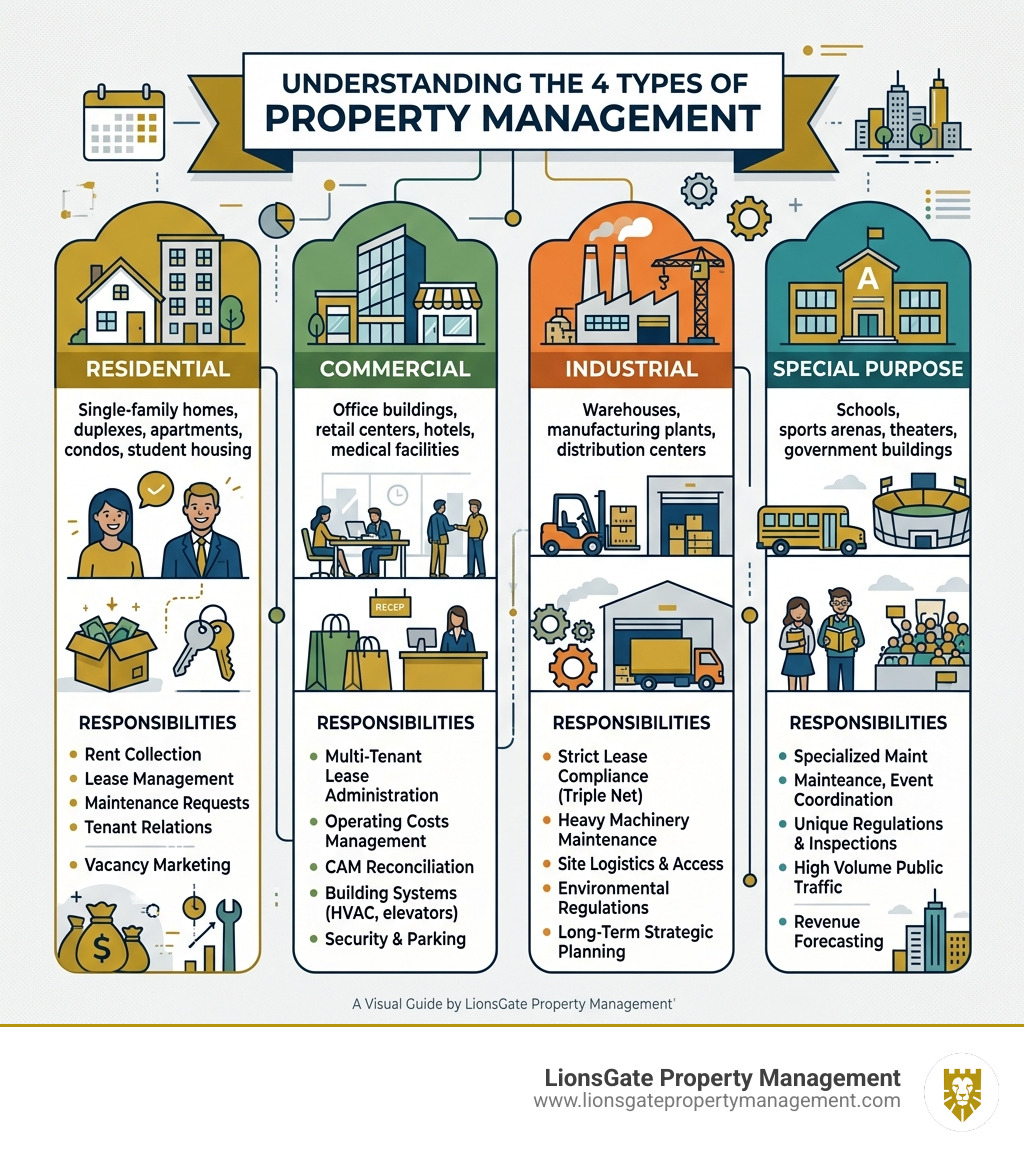
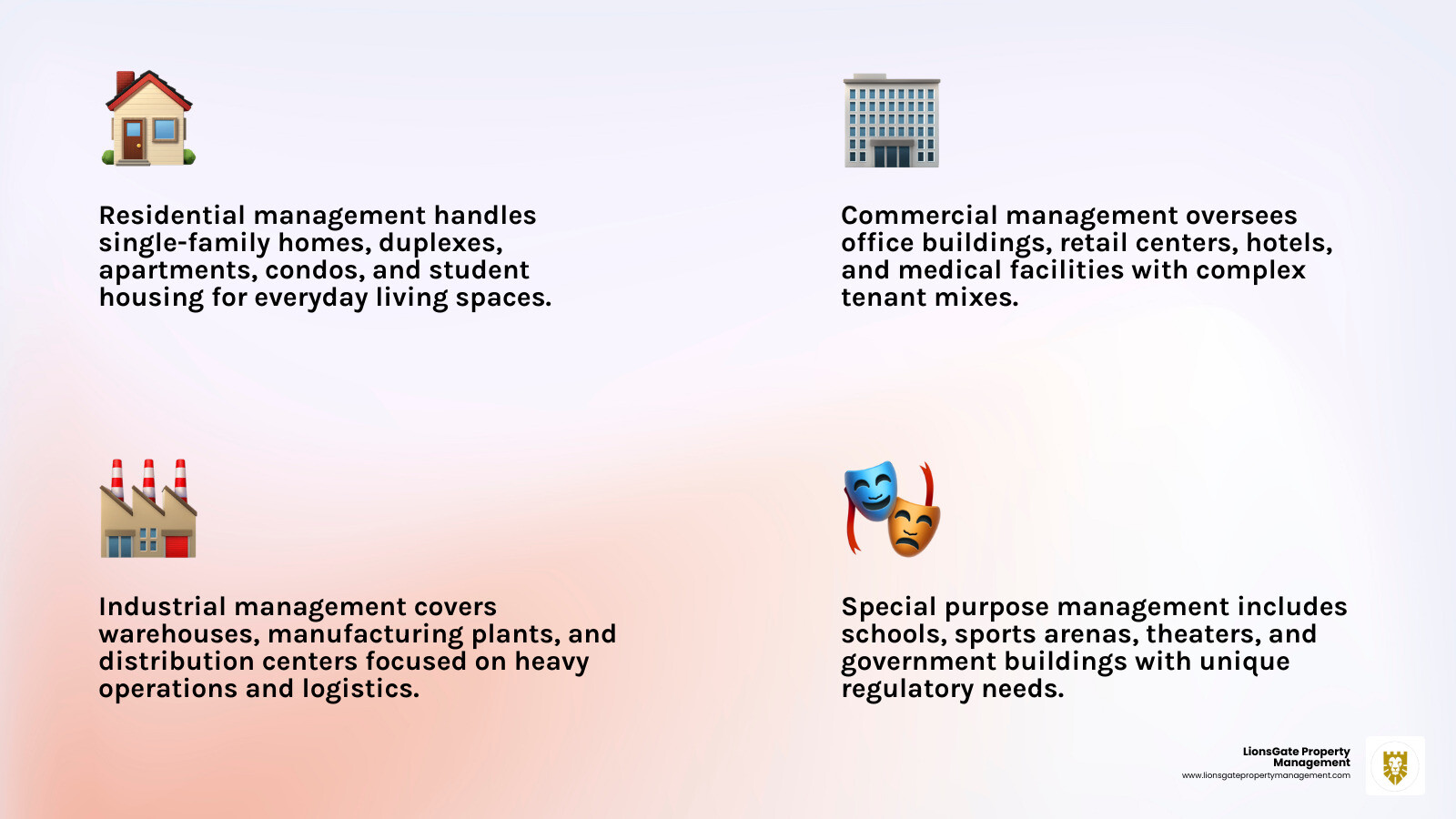
Types of property management fall into four primary categories, each serving a different class of real estate:
| Type | Examples |
|---|---|
| Residential | Single-family homes, duplexes, apartments, condos, student housing |
| Commercial | Office buildings, retail centers, hotels, medical facilities |
| Industrial | Warehouses, manufacturing plants, distribution centers |
| Special Purpose | Schools, sports arenas, theaters, government buildings |
Every property type comes with its own rules, tenant dynamics, and day-to-day demands. A warehouse and a duplex may both need a manager — but the job looks completely different depending on which one you own.
That's what makes property management so hard to define in a single sentence. The best way to understand it is to look at what each type actually involves.
Whether you own a triplex in Providence or are thinking about growing your portfolio, knowing which category your property falls into helps you find the right kind of management — and avoid paying for expertise you don't need.
I'm Isaac Spragg, founder of LionsGate Property Management, and I've built hands-on experience managing my own real estate investments across all types of property management before launching a full-service firm serving Rhode Island landlords. In this guide, I'll walk you through every major category so you can make a confident, informed decision.
Introduction
At its core, property management is the operation, control, maintenance, and oversight of real estate. Think of a property manager as the CEO of your investment. While you hold the title and the equity, we handle the "boots on the ground" reality of keeping that asset profitable.
The core responsibilities of a property manager generally include:
- Rent Collection and Financials: Ensuring the cash flows in and the bills (mortgage, insurance, taxes) are paid on time.
- Property Maintenance: Coordinating everything from emergency plumbing repairs to routine snow removal.
- Tenant Relations: Being the middleman who handles the 2:00 AM phone calls, screens applicants, and manages lease renewals.
- Legal Compliance: Keeping you on the right side of the Fair Housing Act and local Rhode Island ordinances.
Whether you are an absentee owner living halfway across the country or a busy professional in Cranston who simply doesn't have the time to chase down late rent, a third-party contractor provides the buffer you need to keep your investment passive.
The 4 Primary Types of Property Management
Not all real estate is created equal. The skills required to manage a high-rise office building in downtown Providence are vastly different from those needed to manage a vacation rental in a coastal town. According to The 4 Main Types of Property Management | MRI Software, property management is broadly divided into four asset classes.
The following table breaks down how these different types of property management compare across key operational metrics:
| Feature | Residential | Commercial | Industrial | Special Purpose |
|---|---|---|---|---|
| Main Focus | Habitation & Comfort | Business Success | Logistics & Safety | Niche Operations |
| Lease Terms | Usually 1 Year | 3 to 10+ Years | Long-term | Highly Variable |
| Maintenance | 24/7 Demands | Scheduled/Business Hours | Specialized/Heavy Duty | Unique/Custom |
| Key Metric | Occupancy Rates | Net Operating Income | Code Compliance | Service Delivery |
Selecting the right type of management isn't just about preference; it's a function of your asset class. Each category has its own licensing requirements and regulatory compliance standards. For example, in Rhode Island, most property management activities require a real estate broker's license, ensuring that the person handling your money and contracts is properly vetted by the state.
Understanding Residential Types of Property Management
Residential property management is the most common form of the trade. It involves properties where people live. Because a tenant’s home is their sanctuary, this type of management requires superior "people skills" and an emotional intelligence that commercial management often lacks.
- Single-Family Homes: These are individual rental houses. Management here is straightforward but can be time-consuming if the properties are spread out geographically.
- Multi-Family Units: This is our bread and butter. It includes RI duplex apartment managers, triplexes, and small-to-mid-size apartment buildings. These properties require constant attention to common areas and shared systems.
- Condominiums and HOAs: Here, the manager often works for a board of directors rather than a single owner. The focus is on maintaining common elements like roofs, parking lots, and landscaping.
- Student Housing: Common near our local universities, this requires high-intensity turnarounds every semester and specialized lease structures.
- Senior Living: This niche involves specialized amenities and often integrates with healthcare regulations.
- Vacation Rentals: These are short-term stays (like Airbnb) that require intensive cleaning schedules and constant "hospitality-style" communication.
If you own residential assets, you need a partner who understands the local market. For instance, Residential Property Management Services in Providence require a deep knowledge of the city's specific housing codes and tenant expectations.
Commercial Management and Professional Spaces
Commercial property management covers any real estate used for business purposes. Unlike residential tenants, commercial tenants are usually corporations or small business owners.
- Office Buildings: These require sophisticated management of HVAC systems, elevators, and security.
- Retail Centers: Managing a shopping mall or a strip center involves a "tenant mix strategy." You want businesses that complement each other to drive foot traffic.
- Medical Facilities: This is a highly specialized sub-type. Medical office buildings must comply with strict health and safety regulations that don't apply to a standard law office.
In the commercial world, two terms you'll hear often are Lease Abstraction (summarizing complex, 50-page leases) and CAM Reconciliation (Common Area Maintenance). Commercial tenants often pay a portion of the building's operating expenses, and reconciling those costs at the end of the year is a massive administrative task. If you have assets in this category, look for Commercial Property Management Services in Providence that specialize in these financial complexities.
Industrial and Special Purpose Property Management
Industrial and special purpose management are the "heavy lifters" of the real estate world. These properties are often massive in scale and come with significant risks if not managed correctly.
Specialized Types of Property Management: Industrial and Special Purpose
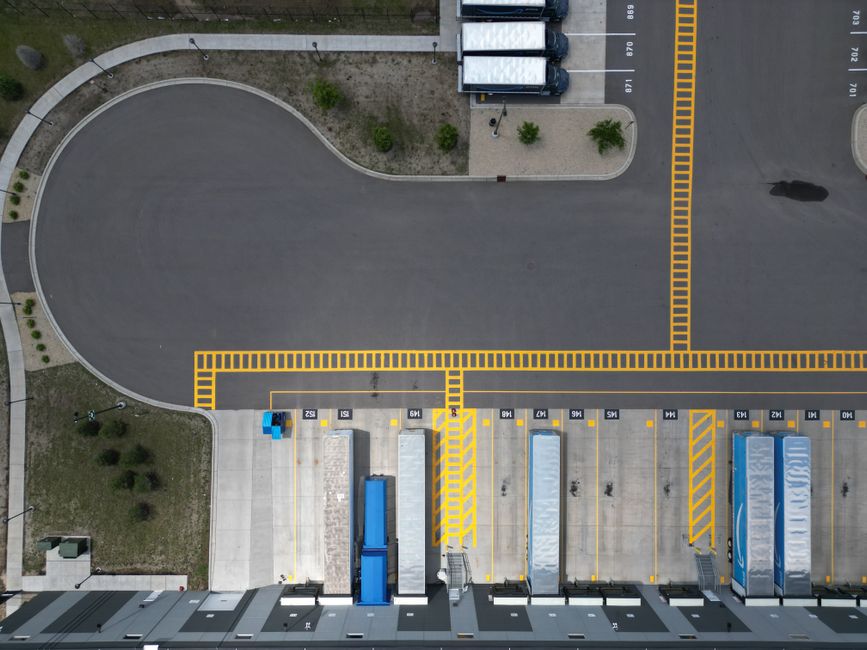
Industrial property management deals with warehouses, manufacturing plants, and distribution facilities. These properties can range from a 1,000-square-foot storage unit to an industrial park spanning hundreds of acres.
- Manufacturing and Food Packaging: These facilities often have high-risk production environments. A manager must ensure strict adherence to building codes and fire ordinances. A single day of downtime due to a maintenance failure can cost a tenant millions in lost production.
- Warehouses: The focus here is on logistics, floor load capacities, and easy access for heavy trucking.
Then we have "Special Purpose" properties. As noted in the Comprehensive Guide to Property Management: Definitions, Roles, Types & Duties, these are properties that cannot be easily converted to another use.
- Sports Arenas and Theaters: How do you manage a football stadium when there isn't a game? These require specialized event-based management.
- University Campuses and Government Buildings: These often involve "facilities management," focusing on the physical infrastructure and long-term capital improvements of a large institutional footprint.
Pricing Models and PropTech in 2026
As of May 2026, the way we pay for and manage property has evolved. The "standard" fee is no longer the only option. According to Property management, several pricing models now exist:
- Percentage of Rent: The most common model. Managers typically charge between 5% and 10% of the monthly revenue. If the unit is vacant, the manager doesn't get paid, which aligns their interests with yours.
- Flat-Fee Models: A set monthly price regardless of the rent amount. This is popular for high-end rentals where a percentage might feel excessive.
- Guaranteed Rent: At LionsGate, we offer a Guaranteed Rent Program in Providence, which provides owners with a predictable check every month, regardless of tenant hiccups.
- Hybrid Pricing: A mix of a low base fee plus performance-based bonuses for hitting occupancy or maintenance targets.
Technology (PropTech) has also exploded. The global property management software market is expected to reach nearly $10 billion by 2030. We now use AI-driven predictive maintenance to fix a boiler before it breaks and IoT (Internet of Things) sensors to detect water leaks in real-time. This tech allows us to manage more properties with higher precision than ever before.
Frequently Asked Questions about Property Management
What are the typical fees for property management services?
Most professional firms charge a management fee of 5% to 10% of the gross monthly rent. However, the "sticker price" isn't the whole story. You should also look for:
- Leasing Fees: Often 50% to 100% of one month's rent to find and vet a new tenant.
- Maintenance Markups: Some firms charge a fee to coordinate repairs, though many modern firms (including us) prefer transparent, direct-cost billing.
- Renewal Fees: A small fee for handling the paperwork to keep a good tenant in place.
Hiring a pro is often "free" when you consider the reasons to hire a professional reliable property manager, such as lower vacancy rates and better vendor pricing.
Do property managers need a special license?
In 49 out of 50 states (Idaho being the lone exception), property managers must hold a real estate broker's license to perform most duties. This ensures we are trained in:
- The Fair Housing Act: To prevent discrimination.
- URLTA (Uniform Residential Landlord and Tenant Act): Which governs the rights of both parties.
- Escrow Accounting: To ensure your security deposits and rent are handled legally.
When is the best time to hire a property management company?
You should consider hiring a manager if:
- You have more than one or two units: Managing a portfolio is a full-time job.
- You are an absentee owner: If you don't live in Rhode Island, you can't effectively manage a property here.
- You hate "confrontation": If the idea of evicting a tenant or arguing over a security deposit keeps you up at night, let us handle it.
- Your property has 16+ units: In some states, like California, on-site managers are legally required for larger buildings; in Rhode Island, it's just a very good business practice.
Conclusion
Understanding the different types of property management is the first step toward building a successful real estate empire. Whether you have a single-family home in Pawtucket or a small apartment building in North Providence, the goal remains the same: maximizing your return while minimizing your stress.
At LionsGate Property Management, we live and breathe the Rhode Island market. We specialize in Residential and Commercial Property Management Services for owners in Providence, Cranston, Warwick, and the surrounding areas. From our guaranteed rent program to our proactive maintenance and no-cost evictions, we are here to make sure your investment works for you—not the other way around.
If you're ready to stop being a "landlord" and start being an "investor," let's talk. We'll handle the tenants; you handle the retirement plans.